Every country has its own national symbols and emblems, and so does India. What is the national flower of India? Where is it found and what special significance does it have to its people and traditions?
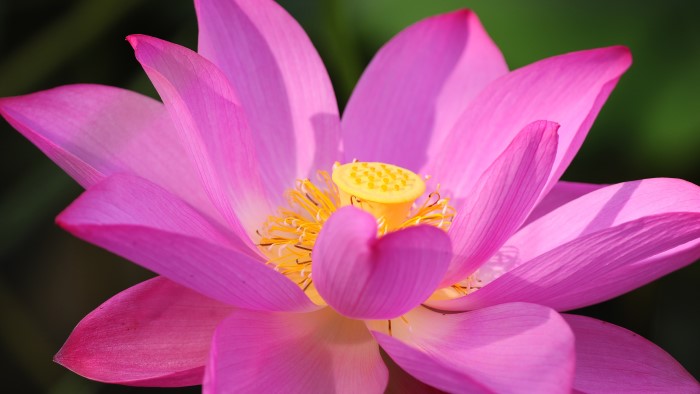
The national flower of India is the Lotus (Nelumbo nucifera) which is believed to be a sacred plant by the people. Lotus is a water lily that grows only in shallow waters. Unlike other water lilies, the Lotus only flowers in pink and white.
Importance of the National Flower of India
The Lotus water lily was chosen by the founding fathers of India as its national flower. This reflects the intrinsic value of the plant in the diversity of India’s population. A single flower has been embraced by all people whether the reason is religious, cultural, or scientific.

Religious: Lotus plays an integral part in Indian religious beliefs. For example, the Hindu religion showcases the goddess Saraswathi, the muse of learning, sitting on a lotus flower. In Buddhism the colors of the flower mean everything. For example, the white represents the purity of mind and spirit.
Cultural: The national flower means more than just religion. It lines the fabric of the Indian culture. Lotus is portrayed as the epitome of divinity, knowledge, and fertility. Indians are expected to rise above the challenges of life, just as the plant is able to produce the most beautiful flower in murky waters.
According to Thomas Kintaert, There is hardly any symbolism in Indian poetry, sculpture, and painting more vast than that relating to the lotus flower and other parts of the plant. ( Cultural Significance of the Indian Lotus Leaf)
Science: There is much more to the water lily than meets the eye. Or, at least to Indian health and cuisine where the national flower contributes to daily lives. Lotus is used in three main ways
How Do People Use the National Flower of India Today?

The national flower of India, the sacred lotus (Nelumbo nucifera), holds an ancient place in the country’s cultural consciousness. While it has historically symbolized purity, divinity, and resilience, its modern utilization has evolved dynamically across political, economic, and technological spheres in contemporary India.
Politically, the lotus serves as the central identity of modern Indian governance. It is the official election symbol of the Bharatiya Janata Party (BJP), India’s ruling political party. Beyond party politics, the flower was prominently featured in the official logo for India’s G20 Presidency. This modern diplomatic deployment was designed to project India’s traditional ethos. Specifically the philosophy of Vasudhaiva Kutumbakam (One Earth, One Family, One Future). It has moved onto the global stage, using the flower to represent holistic growth amidst global challenges.
From a commercial view, the lotus has transitioned from a ritualistic offering to a cornerstone of the thriving modern wellness and clean beauty industries. Indian skincare and cosmetic brands heavily extract lotus root and flower compounds for their antioxidant and anti-aging properties.
Furthermore, contemporary textile innovators are adopting lotus silk sustainability practices. By extracting microfibers from the stems of the plant, eco-conscious fashion labels are creating a luxurious, breathable, and zero-waste alternative to traditional silk, generating new green micro-economies in rural wetlands.
Architecturally, the flower continues to inspire state-of-the-art urban design. Beyond the iconic Lotus Temple in New Delhi, its biomorphic geometry is integrated into massive infrastructural projects, including the interior motifs of the New Parliament Building and modern airport terminals. These structures use the lotus silhouette to blend cutting-edge engineering with indigenous identity.
Culinary arts have also seen a modern revival of the plant. Kamal kakdi (lotus stem) has moved beyond regional home cooking into gourmet Indian fusion cuisine, celebrated by modern chefs for its texture and health benefits. Through these diverse applications, the lotus remains an active, functional asset in modern India. It serves as a bridge connecting the nation’s spiritual heritage with its ambitions in global diplomacy, sustainable technology, and commercial innovation.
Conclusion
The national flower of India has come a long way and remains a leading emblem of its people.
Views: 11

Leave a Reply